Live Southwest Florida/Sanibel & Captiva
Shelling on Sanibel and beyond: a beginner's field guide
Why Sanibel is the shelling capital of the world, when to go, what you'll find and the one rule you must follow — a beginner's guide to the Sanibel stoop, from Blind Pass to the Ten Thousand Islands.
Originally reported by Bailey-Matthews National Shell Museum & Aquarium ↗
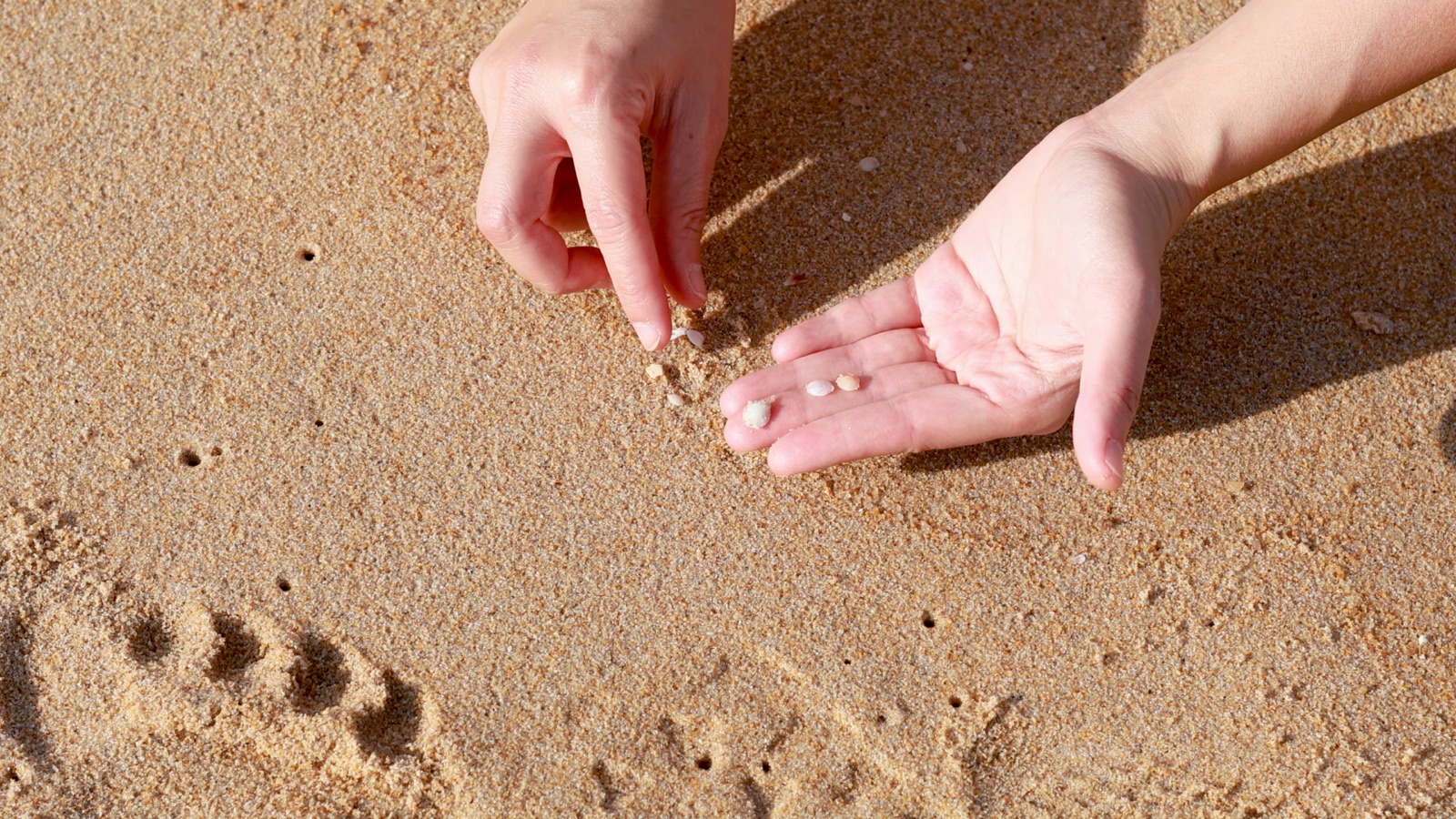
Every morning on Sanibel, before most of the island is awake, figures dot the tide line bent at the waist in the posture locals call the Sanibel stoop. They're doing what people have crossed oceans to do here: picking treasure off the sand. Sanibel is often called the shelling capital of the world, and the reason is geography — the island hangs east-west off Florida's coast like a shovel blade, scooping up shells the Gulf's currents carry across a wide, gentle shelf. Nowhere else in North America does the sea deliver so reliably.
When to go
Low tide is everything. Plan to arrive an hour or two before the tide bottoms out, and go early — dawn shellers get first pick of what the night surf delivered. Winter and spring cold fronts and storms stir the best hauls; the days right after a blow are legendary. A new-moon or full-moon low tide, at sunrise, after a front: that's the shelling equivalent of a powder day.
Where to look
On Sanibel, the classics are Bowman's Beach, Lighthouse Beach at the island's east tip, and Blind Pass at the Captiva end, where the jetty on the Captiva side traps shells in quantity. Work the wrack lines and the shallows where broken shell piles up — big finds hide among the rubble. Beyond the islands, Marco Island's Tigertail Beach and its sand spit produce reliably, and boat and charter trips into the Ten Thousand Islands or out to Cayo Costa reach bars that see almost no foot traffic.
What you'll find
Common and thrilling: lightning whelks, fighting conchs, banded tulips, olives, scallops in every color, calico clams and the little coquinas that dig themselves back in as you watch. The trophies are the junonia — a deep-water volute rare enough that finders get their picture taken — plus alphabet cones and lion's paw scallops. Bring a mesh bag so sand and water sift out, and a small scoop if your back is honest with you.
“Every morning on Sanibel, before most of the island is awake, figures dot the tide line bent at the waist in the posture locals call the Sanibel stoop.”
The one rule
Live shelling is illegal on Sanibel and Captiva and has been since 1995: any shell with an animal inside — including sand dollars, starfish and urchins — goes back in the water, gently. Check every shell. An occupied shell often reveals itself by weight, a trapdoor operculum, or a foot retracting as you lift it. Take only empty shells, and take fewer than you think you want; the collection that matters fits on one windowsill.
Go deeper
The Bailey-Matthews National Shell Museum and Aquarium on Sanibel — rebuilt after Hurricane Ian, with its living aquarium galleries reopened and expanded — is the world's foremost museum devoted to shells and the mollusks that build them, and an hour there will double what you notice on the beach. The island's namesake refuge, Ding Darling, rounds out the naturalist's day trip.
Shelling is the rare hobby that costs nothing, starts at sunrise and ends with treasure in your pocket — and living here means the hunt is never more than a morning away. Explore the communities and homes around Sanibel, Captiva and the islands right here on SWFL.info.
Where it is
Ready to see it for yourself?
The communities behind this story are open to explore — and a free profile keeps the homes you love in one place.