Home of the US Open Pickleball Championships and hundreds of community courts, Southwest Florida may be the sport's true capital — here's where to play and how to pick a pickleball-first community.
Originally reported by US Open Pickleball Championships ↗
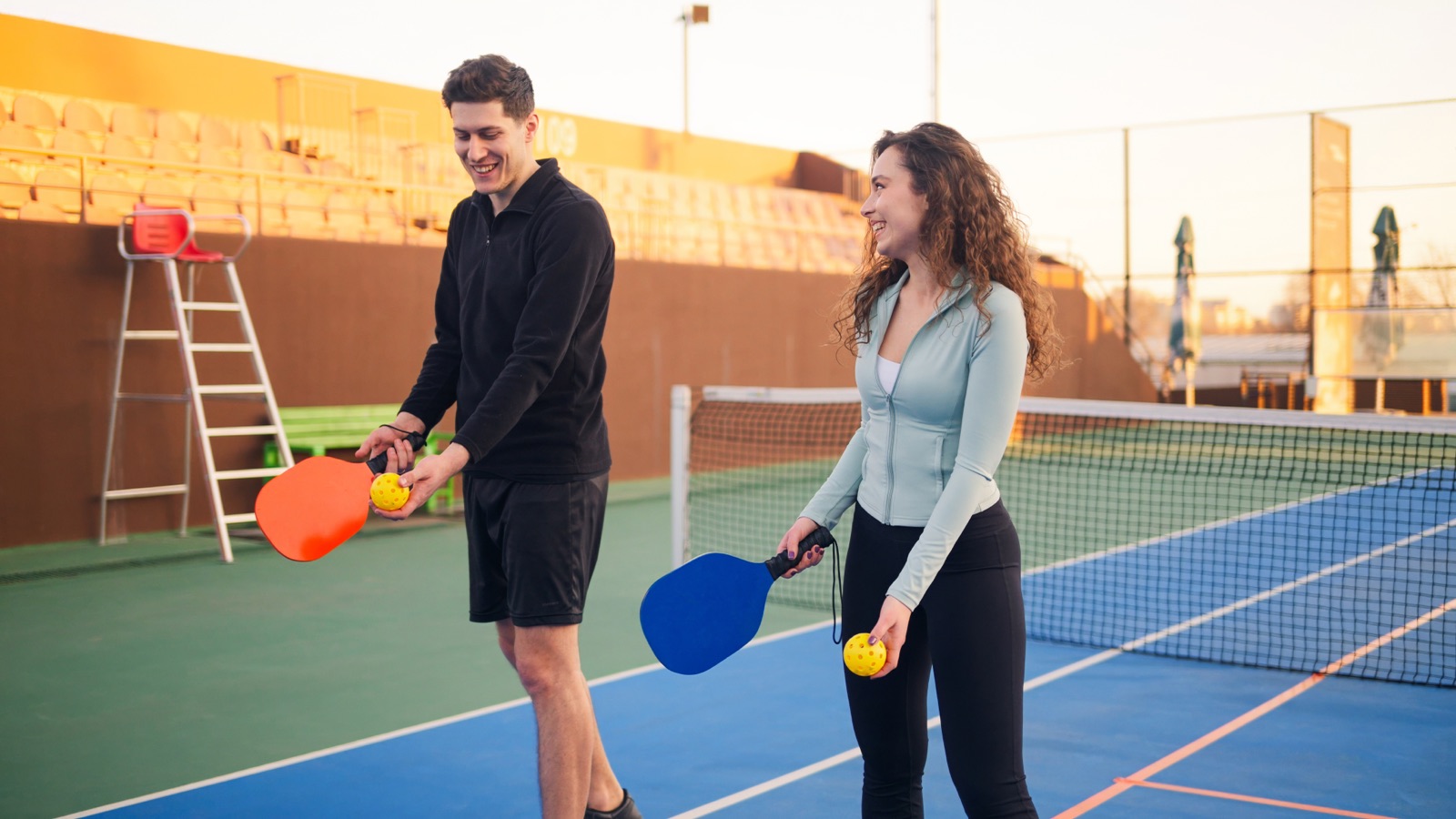
If pickleball has a hometown, it's arguably Naples. Every April, East Naples Community Park becomes the center of the sport's universe as the US Open Pickleball Championships takes over its more than 60 courts — the 2026 edition, the event's tenth anniversary in Naples, drew over 3,500 amateur and professional competitors from all 50 states and dozens of countries, with free admission to watch everything but the championship court. The rest of the year, those courts belong to the locals, and the whole region plays like it's training for something.
Why Southwest Florida became pickleball country
The recipe is simple: year-round outdoor weather, an active-adult population that adopted the sport early, and a community-development industry that noticed. A decade ago, builders squeezed in two courts next to the tennis center; today new communities open with eight, twelve or more dedicated courts, full-time pros, ladders, leagues and round-robin culture. Pickleball has become a genuine amenity race among Naples, Bonita Springs, Estero, Fort Myers, Cape Coral, Punta Gorda and Ave Maria communities — a real factor in where people choose to buy.
Where to play in public
East Naples Community Park is the crown jewel — a destination in its own right, with programming for every level. Around the region, county and city parks from Cambier Park in downtown Naples to community centers in Bonita Springs, Estero, Cape Coral and Punta Gorda keep adding and converting courts, and most host organized open play where a newcomer can show up alone and leave with a foursome. Ave Maria folds courts into its town amenities as well. If you're new to an area, public open play is the fastest social on-ramp Southwest Florida offers.
Choosing a pickleball community
If the sport is a real part of your life, evaluate a community the way a golfer evaluates a course. Count dedicated courts — converted tennis courts with temporary lines age poorly in a pickleball-mad community — and ask the ratio of courts to homes. Ask whether there's organized play by skill level, a pro on staff, lighted courts for summer-evening play, and whether courts sit far enough from homes that noise politics haven't erupted (every agent in the region has stories). In 55-plus communities especially, pickleball is often the social center of the whole community; in family communities it's increasingly multigenerational.
“The rest of the year, those courts belong to the locals, and the whole region plays like it's training for something.”
The lifestyle payoff
What makes pickleball matter for relocators isn't really the sport — it's the speed of belonging. A golfer needs a foursome and four hours; a pickleball player needs a paddle and forty-five minutes, and games rotate partners by design. Ask people who've moved here how they made their friends, and an outsized number will answer with the name of a court. In a region full of newcomers, that's not a small thing.
Whether you want a courtside condo or just a town where open play never stops, this coast has you covered. Explore pickleball-rich communities and homes across Southwest Florida right here on SWFL.info.
Ready to see it for yourself?
The communities behind this story are open to explore — and a free profile keeps the homes you love in one place.