Live Southwest Florida/Sanibel & Captiva
Living on Sanibel and Captiva: what to know before you move
Shell-strewn beaches, a 6,400-acre wildlife refuge and building rules that kept the high-rises out — Sanibel and Captiva offer barrier-island life on nature's terms, rebuilt and resilient after Ian.
Originally reported by J.N. 'Ding' Darling National Wildlife Refuge ↗
Sanibel is the barrier island that chose nature over neon. Since incorporating in the 1970s, the city has capped building heights, banned traffic lights and chain sprawl, and set aside a majority of the island as conservation land — which is why crossing the causeway still feels like entering a different, slower Florida. Captiva, its smaller neighbor across Blind Pass, is looser and more resort-flavored, but shares the same shell-rich Gulf shoreline.
The vibe and who it suits
Island life here is bikes, beach walks and birdsong. The 25-mile shared-use path network — fully repaved since Hurricane Ian — is genuinely how people get around. Sanibel suits nature-minded retirees, writers-and-remote-workers, and families who want their kids growing up barefoot; Captiva suits second-home buyers who want a livelier, resortier version of the same. Nobody should move here who needs urban convenience: this is a deliberate, low-density community that guards its character fiercely.
The recovery story
Hurricane Ian hit these islands hard in 2022, and the comeback deserves to be told straight: the causeway was rebuilt quickly, beaches have been renourished — Lighthouse Beach alone received hundreds of thousands of tons of new sand and tens of thousands of dune plants — and more than 40 restaurants are open again, from Doc Ford's to the Lazy Flamingo, with the Mucky Duck back on Captiva. Rebuilt homes stand higher and stronger. The islands are functional, beautiful and busy again, though scattered construction remains part of the scenery.
Beaches and outdoors
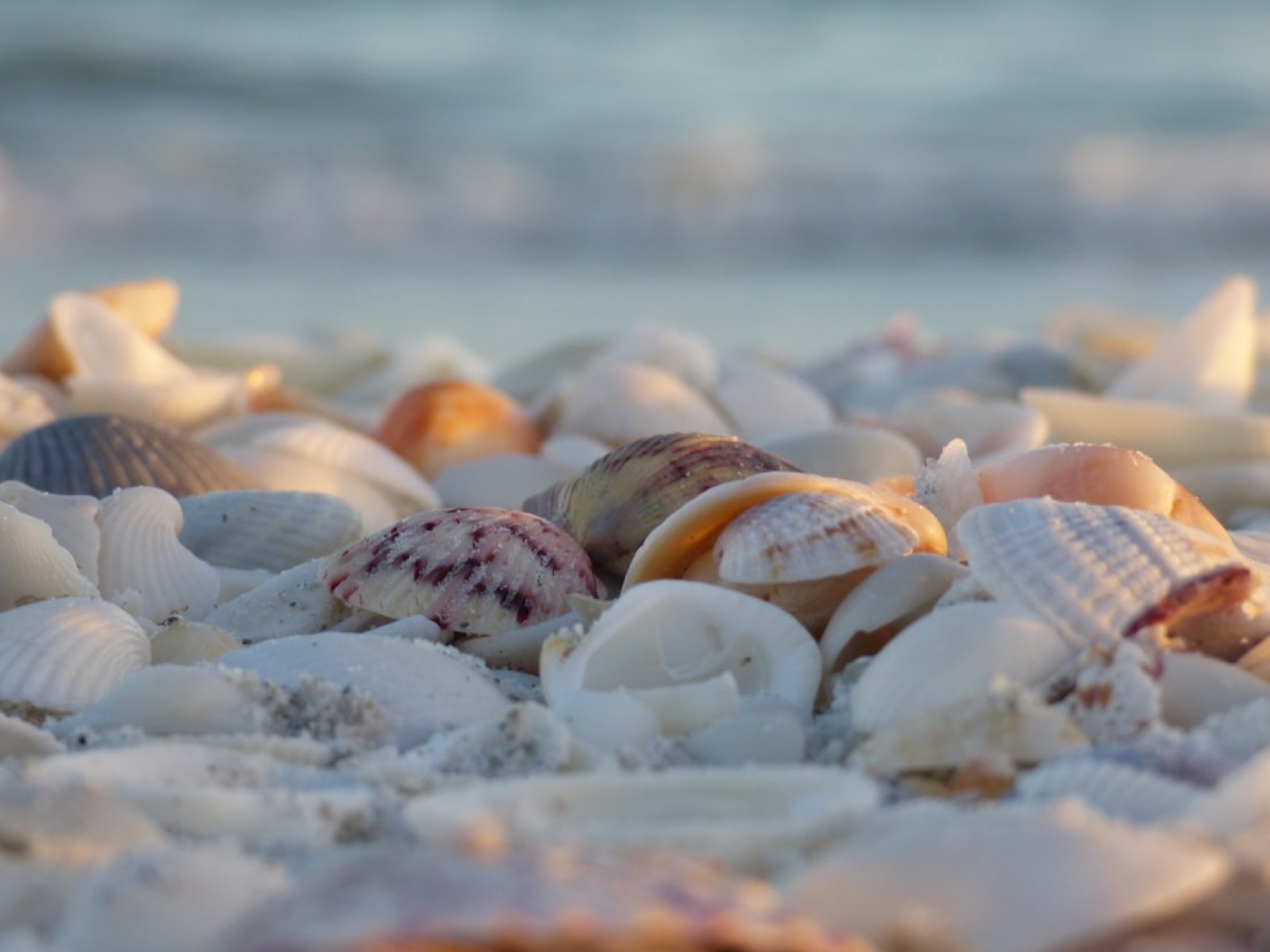
The Gulf beaches are the world's most famous shelling grounds — Sanibel's east-west orientation scoops shells from the Gulf, and the "Sanibel stoop" is the local posture. Blind Pass, Bowman's Beach and Lighthouse Beach are the classics. The island's wild heart is the J.N. "Ding" Darling National Wildlife Refuge: 6,400 acres of mangrove estuary with a four-mile Wildlife Drive where roseate spoonbills, white pelicans and alligators are everyday sightings. The rebuilt Bailey-Matthews National Shell Museum and Aquarium anchors the island's natural-history culture.
“Captiva, its smaller neighbor across Blind Pass, is looser and more resort-flavored, but shares the same shell-rich Gulf shoreline.”
Housing and daily life
Housing runs from Gulf-front homes and low-rise condos to stilted cottages in the mid-island neighborhoods; everything trades at island premiums, and post-Ian buyers should scrutinize elevation, rebuild quality and insurance history line by line. Groceries, banks and medical basics exist on-island; bigger errands mean a causeway trip to Fort Myers.
Practical notes
The causeway toll (charged inbound only) runs a few dollars, cheaper with a transponder. RSW airport is about 45 minutes to an hour. Season brings heavy causeway and Periwinkle Way traffic January through April; summer is quiet, hot and stormy. Factor meaningful insurance costs into any purchase — and know that what you're buying into is a community that has proven it will rebuild thoughtfully.
If your paradise has more herons than high-rises, there's nowhere else like it. Explore the communities and homes around Sanibel and Captiva right here on SWFL.info.
Where it is
Ready to see it for yourself?
The communities behind this story are open to explore — and a free profile keeps the homes you love in one place.